Agriculture in Kenya: Overcoming Challenges, Seizing Opportunities

Kenya’s agriculture sector is a vital contributor to the country’s economy and livelihoods. However, it faces numerous challenges that need to be addressed for sustained growth and food security. This article examines the challenges faced by farmers in Kenya and highlights initiatives and innovations that are transforming the agricultural landscape, fostering sustainable growth, and ensuring food security for the nation.

Digital Solutions: Empowering Kenyan Farmers
In an era of increasing connectivity, digital solutions have the potential to revolutionize agriculture in Kenya. With the help of mobile applications and SMS-based platforms, farmers can access critical information such as market prices, weather forecasts, and agronomic practices. These tools empower farmers to make informed decisions, optimize their production, and connect with buyers, thereby reducing post-harvest losses and improving their overall income and livelihoods.

Value-Added Agriculture: Tapping into Kenya’s Potential
Kenya possesses significant potential for value-added agriculture, whereby farmers add value to their products through processing, packaging, and branding. Value-added agricultural practices not only enhance farmers’ profitability but also create employment opportunities and contribute to rural development. By investing in processing facilities, improving packaging standards, and establishing strong branding strategies, Kenyan farmers can tap into domestic and international markets, ensuring the sustainability and growth of their agricultural enterprises.

Read More

Sustainable Agriculture: Nurturing the Future of Food

Sustainable agriculture is gaining momentum worldwide as the need for environmentally friendly farming practices becomes evident. The global population continues to grow, placing increasing pressure on food production systems. Sustainable agriculture offers a solution that balances the need for increased yields with the preservation of natural resources and the promotion of long-term ecological balance.

Conservation Farming Techniques: Cultivating the Earth’s Health
Conservation farming techniques lie at the heart of sustainable agriculture. By embracing practices such as no-till farming, crop rotation, and cover cropping, farmers can minimize soil erosion, improve soil structure, and enhance overall soil health. These techniques promote biodiversity by creating habitats for beneficial insects and microorganisms, reducing reliance on synthetic inputs, and enhancing nutrient cycling within the ecosystem.

The Role of Agroforestry in Climate Resilience
Agroforestry is a key component of sustainable agriculture, particularly in mitigating the impacts of climate change. By integrating trees and shrubs with crops or livestock, agroforestry systems provide multiple benefits. They improve soil fertility through nitrogen fixation, offer shade to crops, act as windbreaks, and reduce water evaporation from the soil. Additionally, agroforestry contributes to carbon sequestration, enhancing climate resilience and promoting long-term sustainability.

Read More

The Rise of Vertical Farming: Feeding the Urban Future

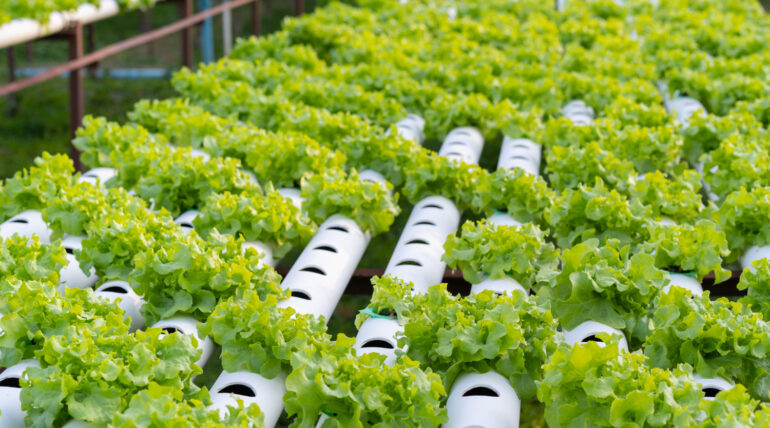
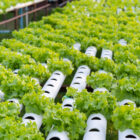
As urbanization continues to accelerate, the need for innovative solutions to produce food within limited space becomes crucial. Traditional agriculture faces challenges in urban areas due to the scarcity of land, increasing demand for food, and the environmental impact of long transportation routes. In response, vertical farming has emerged as a promising approach to address these challenges and revolutionize urban agriculture. This article explores the concept of vertical farming, its benefits in terms of resource efficiency, year-round production, and reduced transportation costs, and its potential to reshape the future of urban food production.

Maximizing Resource Efficiency:
Vertical farming optimizes the use of resources such as land, water, and energy. By utilizing vertical space, crops can be stacked in multiple layers, increasing the overall production capacity. Moreover, vertical farming systems incorporate hydroponics or aeroponics, where plants are grown without soil, using nutrient-rich water or mist. This soil-less cultivation method reduces water usage significantly compared to traditional farming and minimizes the risk of soil-borne diseases. Additionally, LED lighting systems provide precise light wavelengths tailored to specific plant growth stages, maximizing energy efficiency.

Year-Round Production:
Vertical farming offers the potential for year-round production, unaffected by seasonal limitations. By creating a controlled environment, with optimized temperature, humidity, and lighting conditions, crops can be grown continuously, ensuring a steady supply of fresh produce throughout the year. This aspect of vertical farming is particularly beneficial in urban areas where space is limited, and access to locally grown, nutritious food is limited.

Reducing Transportation and Food Waste:
Vertical farms located in urban centers can significantly reduce the distance between production and consumption. This proximity minimizes transportation requirements and the associated carbon emissions. Furthermore, by cultivating crops locally, vertical farming reduces post-harvest losses, as produce can be delivered fresh and consumed within a shorter time frame. This reduction in food waste contributes to a more sustainable and efficient food system.

Enhancing Food Security in Urban Areas:
Vertical farming holds the potential to enhance food security in densely populated urban areas. By producing food locally and in close proximity to consumers, it reduces dependence on long-distance transportation and importation of food. This localized approach to food production strengthens urban resilience and ensures a consistent supply of fresh produce, particularly in times of disruptions or emergencies.

Integration with Smart Technologies:
Vertical farming can be further enhanced by integrating with smart technologies. These technologies include sensors, automation systems, and data analytics, which monitor and optimize plant growth conditions, water and nutrient usage, and overall farm operations. Such integration enables precise control and monitoring, leading to increased efficiency, higher yields, and improved resource management.

Expanding the Scope of Vertical Farming:
While vertical farming initially focused on leafy greens and herbs, ongoing research and development are expanding its scope to include a wider variety of crops. Efforts are underway to cultivate fruits, vegetables, and even fish in vertical farming systems. These advancements are crucial in diversifying the range of produce and enhancing the nutritional value of the food grown through this innovative method.

Read More

Harnessing the Power of Precision Agriculture

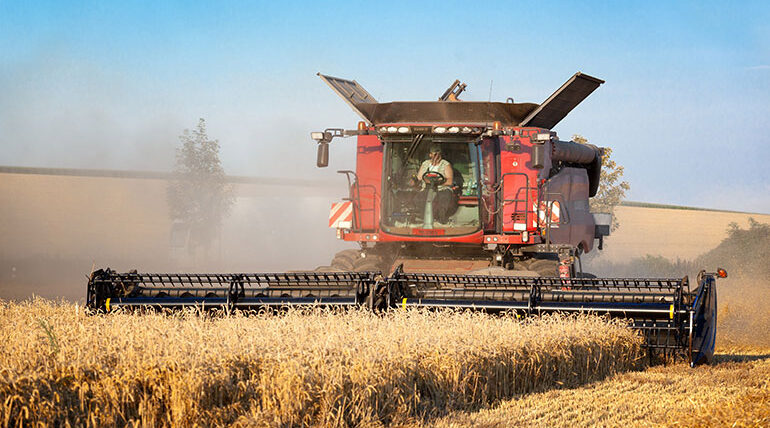
Precision agriculture is revolutionizing the way farmers manage their land, optimize productivity, and minimize environmental impacts. With advancements in technology and data-driven decision-making, precision agriculture has gained prominence as a key approach to sustainable farming practices. This article delves into the principles and technologies behind precision agriculture, highlighting its potential to increase yields, reduce input waste, and enhance sustainability in agricultural systems.

The Foundation of Precision Agriculture:
At the core of precision agriculture lies the collection and analysis of data. This includes data on soil conditions, weather patterns, crop growth, and pest infestations. Farmers use a combination of technologies such as Global Positioning Systems (GPS), remote sensing, drones, and sensors to collect this data. This information serves as the foundation for precise decision-making, enabling farmers to tailor their actions and inputs to specific areas of their fields.

Site-Specific Crop Management:
Precision agriculture enables site-specific crop management, wherein farmers can identify and address variations in soil quality, nutrient levels, and moisture content within their fields. By utilizing data from soil sensors and satellite imagery, farmers can create detailed maps that depict the variability of these factors. This allows for the precise application of fertilizers, pesticides, and irrigation, minimizing waste and maximizing crop health and productivity.

Precision Seeding and Planting:
Precision agriculture techniques extend to the precise placement of seeds and plants in the field. Planting technologies equipped with GPS guidance systems and automatic seed meters ensure accurate seed placement, spacing, and depth. This precision planting leads to uniform crop emergence, optimized plant density, and improved overall crop performance.

Remote Sensing and Imagery:
Remote sensing technologies, such as satellite imagery and drones, play a crucial role in precision agriculture. These tools provide farmers with real-time and high-resolution images of their fields, allowing for early detection of plant stress, disease outbreaks, or nutrient deficiencies. By identifying these issues promptly, farmers can take targeted actions to mitigate losses and optimize resource utilization.

Variable Rate Technology:
Precision agriculture utilizes variable rate technology (VRT) to tailor input application rates based on the specific needs of different areas within a field. For example, VRT can adjust fertilizer application rates according to soil nutrient levels or tailor irrigation rates based on soil moisture content. This precision approach optimizes resource use, reduces input waste, and minimizes environmental impacts.

Data Analytics and Decision Support Systems:
The power of precision agriculture lies in its ability to analyze vast amounts of data and transform it into actionable insights. Data analytics and decision support systems help farmers interpret the collected data, generate recommendations, and make informed decisions. These systems provide valuable information on crop health, growth patterns, yield predictions, and economic analysis, empowering farmers to optimize their farming practices and improve overall profitability.

Read More

Women in Agriculture: Driving Change, Empowering Communities

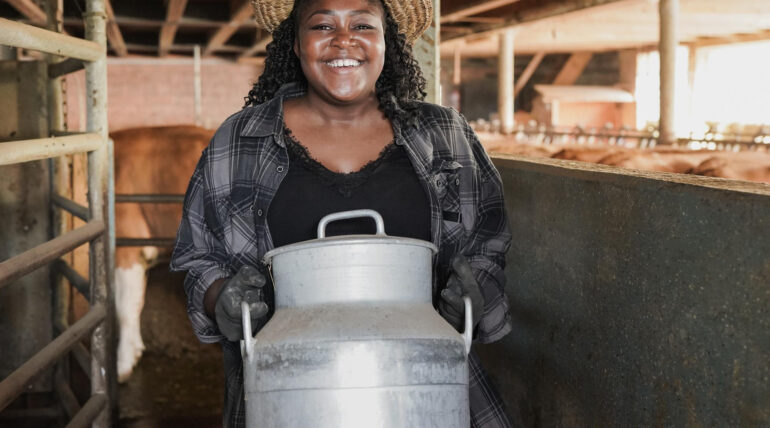
Women play a crucial role in agriculture worldwide, contributing significantly to food production and rural economies. However, they often face gender-based challenges and inequalities in accessing resources, education, and decision-making opportunities. This article sheds light on the challenges faced by women in agriculture, highlights the innovative approaches and initiatives led by women farmers, organizations, and governments, and emphasizes the importance of empowering women in agriculture for sustainable development, food security, and gender equality.

Gender Disparities in Agriculture:
Women form a significant proportion of the agricultural workforce globally, yet they face numerous challenges and inequalities. Access to land, credit, and agricultural inputs is often limited for women, resulting in reduced productivity and income. Additionally, cultural norms and discriminatory practices hinder women’s participation in decision-making processes and leadership roles within the agricultural sector. Addressing these gender disparities is crucial to unlocking the full potential of women in agriculture.

Innovative Approaches by Women Farmers:
Women farmers have been at the forefront of implementing innovative approaches to agriculture. They often employ sustainable and climate-resilient farming practices, such as agroecology, organic farming, and conservation agriculture. These practices prioritize biodiversity conservation, soil health, and the efficient use of resources. Women farmers also demonstrate remarkable entrepreneurship by diversifying their income streams through value-added activities like processing, packaging, and marketing their agricultural products.

Women-Led Agricultural Organizations:
Women-led agricultural organizations and cooperatives play a significant role in empowering women in agriculture. These organizations provide a platform for knowledge sharing, capacity building, and collective bargaining. They enable women to access resources, training, and market opportunities that would otherwise be difficult to attain individually. By fostering solidarity and promoting women’s leadership, these organizations contribute to the economic empowerment of women in agriculture.

Government Initiatives and Policies:
Governments have a crucial role to play in addressing gender disparities in agriculture. Many countries have implemented policies and programs aimed at promoting gender equality and women’s empowerment in the agricultural sector. These initiatives may include improving access to land ownership, credit facilities, and technical training for women. Governments also support the establishment of gender-responsive extension services and provide incentives for women-led agricultural enterprises.

Enhancing Food Security and Nutrition:
Empowering women in agriculture is closely linked to achieving food security and improved nutrition. Studies have shown that when women have equal access to resources and opportunities, agricultural productivity and household food security improve significantly. Women’s involvement in decision-making processes ensures that the nutritional needs of the family are prioritized, leading to improved dietary diversity and better health outcomes.

The Importance of Education and Training:
Investing in education and training for women in agriculture is critical to their empowerment. Providing women with access to agricultural extension services, vocational training, and business management skills equips them with the knowledge and tools needed to enhance productivity, adopt modern farming techniques, and effectively manage their agricultural enterprises. Education also plays a vital role in challenging gender norms and stereotypes, promoting gender equality, and fostering women’s leadership in the agricultural sector.

Read More

Organic Farming: Cultivating Healthier, Sustainable Food Systems

In an era marked by concerns over food safety, environmental sustainability, and human health, organic farming has gained global recognition for its environmentally friendly practices and healthier food production. This article explores the principles of organic farming, such as soil health, biodiversity conservation, and the avoidance of synthetic inputs. It highlights the benefits of organic farming for human health, including reduced exposure to pesticides and increased nutrient content in organic produce. Additionally, the article emphasizes the growing consumer demand for organic products and the positive impact of organic farming on promoting sustainable food systems, protecting ecosystems, and fostering long-term agricultural sustainability.

Soil Health and Regenerative Practices:
Organic farming prioritizes the health of the soil, recognizing it as a fundamental component of agricultural ecosystems. Practices such as crop rotation, cover cropping, and the use of compost and organic matter enhance soil fertility, structure, and nutrient cycling. By nurturing the soil through these regenerative practices, organic farming promotes long-term sustainability and reduces the need for synthetic fertilizers and pesticides.

Biodiversity Conservation:
Organic farming encourages biodiversity by creating habitats for beneficial insects, birds, and other wildlife. Diverse plant species, hedgerows, and buffer zones are incorporated to support pollinators, natural pest control, and ecological balance. By preserving and enhancing biodiversity, organic farming contributes to the resilience and stability of agricultural ecosystems, reducing the reliance on chemical interventions.

Avoidance of Synthetic Inputs:
One of the key principles of organic farming is the strict avoidance of synthetic inputs such as pesticides, herbicides, and genetically modified organisms (GMOs). Instead, organic farmers rely on natural methods of pest and disease management, such as biological control, crop rotation, and the use of natural pesticides derived from plant extracts or beneficial organisms. This approach minimizes the risks associated with chemical residues in food, protects the environment, and promotes the health and well-being of farmers and consumers.

Health Benefits of Organic Produce:
Organic farming practices have been associated with numerous health benefits. Studies have shown that organic produce tends to have higher levels of certain nutrients, such as antioxidants and vitamin C, compared to conventionally grown counterparts. Additionally, organic farming avoids the use of synthetic pesticides, reducing the potential exposure to harmful chemicals and minimizing the associated health risks, including pesticide residues in food.

Environmental Impact and Climate Change Mitigation:
Organic farming contributes to the mitigation of climate change and reduces environmental impacts. By focusing on soil health and biodiversity conservation, organic farming sequesters carbon in the soil, contributing to carbon sequestration and reducing greenhouse gas emissions. Additionally, the avoidance of synthetic fertilizers and pesticides prevents water pollution, protects water resources, and preserves ecosystems.

Growing Consumer Demand and Market Opportunities:
Consumer demand for organic products has been steadily increasing in recent years. People are increasingly seeking healthier, sustainably produced food options, and organic farming provides a compelling solution. This growing market demand offers significant opportunities for organic farmers and encourages the expansion of organic farming practices worldwide. By meeting consumer preferences and supporting organic farming, consumers can contribute to building more sustainable and resilient food systems.


Read More