As urbanization continues to accelerate, the need for innovative solutions to produce food within limited space becomes crucial. Traditional agriculture faces challenges in urban areas due to the scarcity of land, increasing demand for food, and the environmental impact of long transportation routes. In response, vertical farming has emerged as a promising approach to address these challenges and revolutionize urban agriculture. This article explores the concept of vertical farming, its benefits in terms of resource efficiency, year-round production, and reduced transportation costs, and its potential to reshape the future of urban food production.
Maximizing Resource Efficiency:
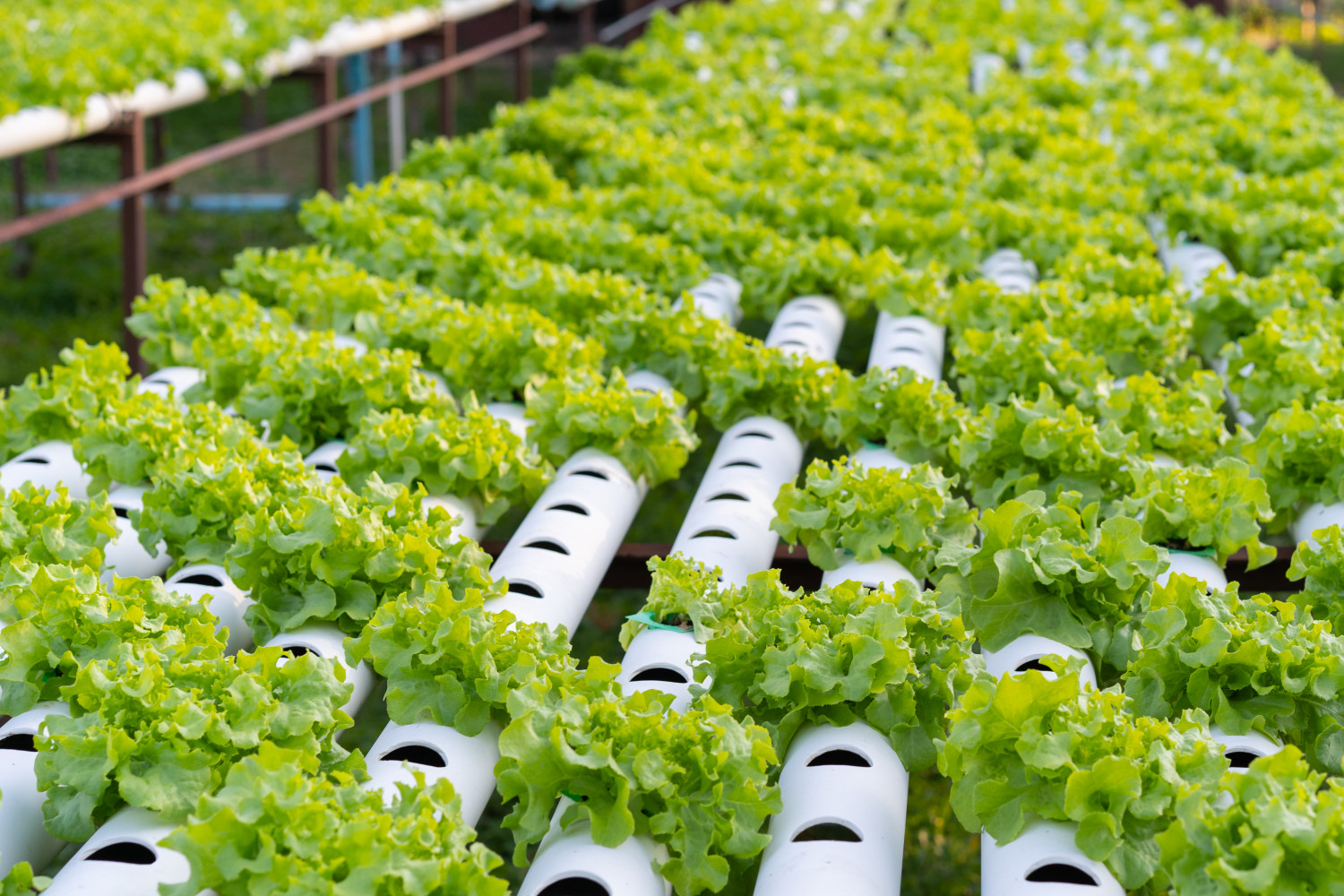
Vertical farming optimizes the use of resources such as land, water, and energy. By utilizing vertical space, crops can be stacked in multiple layers, increasing the overall production capacity. Moreover, vertical farming systems incorporate hydroponics or aeroponics, where plants are grown without soil, using nutrient-rich water or mist. This soil-less cultivation method reduces water usage significantly compared to traditional farming and minimizes the risk of soil-borne diseases. Additionally, LED lighting systems provide precise light wavelengths tailored to specific plant growth stages, maximizing energy efficiency.
Year-Round Production:
Vertical farming offers the potential for year-round production, unaffected by seasonal limitations. By creating a controlled environment, with optimized temperature, humidity, and lighting conditions, crops can be grown continuously, ensuring a steady supply of fresh produce throughout the year. This aspect of vertical farming is particularly beneficial in urban areas where space is limited, and access to locally grown, nutritious food is limited.
Reducing Transportation and Food Waste:
Vertical farms located in urban centers can significantly reduce the distance between production and consumption. This proximity minimizes transportation requirements and the associated carbon emissions. Furthermore, by cultivating crops locally, vertical farming reduces post-harvest losses, as produce can be delivered fresh and consumed within a shorter time frame. This reduction in food waste contributes to a more sustainable and efficient food system.
Enhancing Food Security in Urban Areas:
Vertical farming holds the potential to enhance food security in densely populated urban areas. By producing food locally and in close proximity to consumers, it reduces dependence on long-distance transportation and importation of food. This localized approach to food production strengthens urban resilience and ensures a consistent supply of fresh produce, particularly in times of disruptions or emergencies.
Integration with Smart Technologies:
Vertical farming can be further enhanced by integrating with smart technologies. These technologies include sensors, automation systems, and data analytics, which monitor and optimize plant growth conditions, water and nutrient usage, and overall farm operations. Such integration enables precise control and monitoring, leading to increased efficiency, higher yields, and improved resource management.
Expanding the Scope of Vertical Farming:
While vertical farming initially focused on leafy greens and herbs, ongoing research and development are expanding its scope to include a wider variety of crops. Efforts are underway to cultivate fruits, vegetables, and even fish in vertical farming systems. These advancements are crucial in diversifying the range of produce and enhancing the nutritional value of the food grown through this innovative method.